
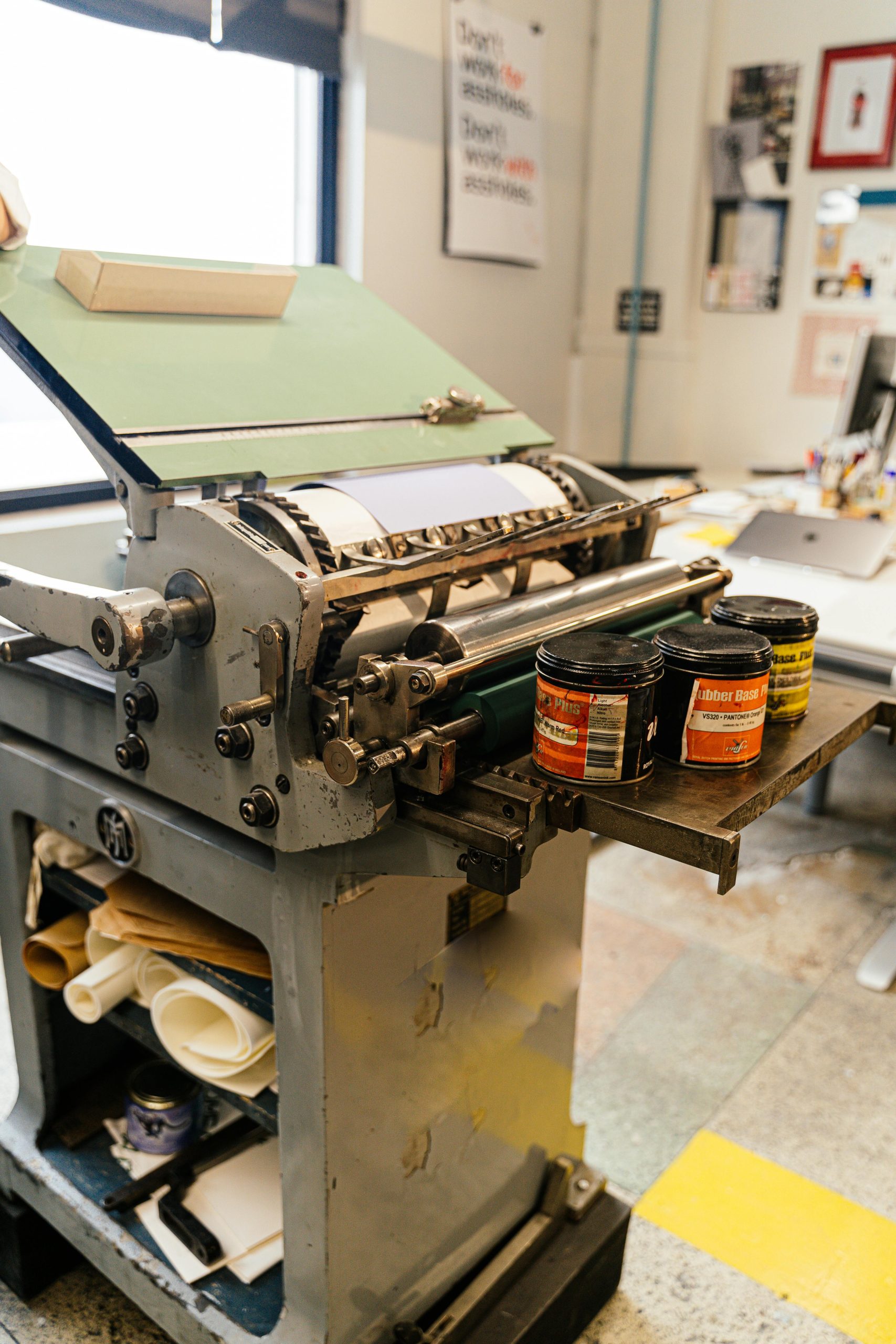
The world has stood at the precipice of innovation repeatedly. The iron age, the printing press, computers, TikTok, and now AI. We as a species tend to marvel at the heights we ascend without truly peering beneath our feet to assess the cracks forming in the ground below.
Artificial Intelligence, a concept once confined to the realms of speculative fiction, has now entrenched itself into the very fabric of our society. And yes, I do realize that I sound like an old grumpy fart, but that’s because I’m the last generation that grew up with out the internet. My childhood was spent playing on playgrounds and running through the backyard and not staring at a phone. Now there’s no judgement in this next sentence, but when I take my toddler to the playground, most if not all the times I see teenagers on their phones. Just sitting there, doing nothing but scrolling. I know that doom scrolling is not pleasant for me, a nearly 40-year-old person. But for a teenager, whose pre-frontal cortex is not fully developed?? It’s probably not the best.
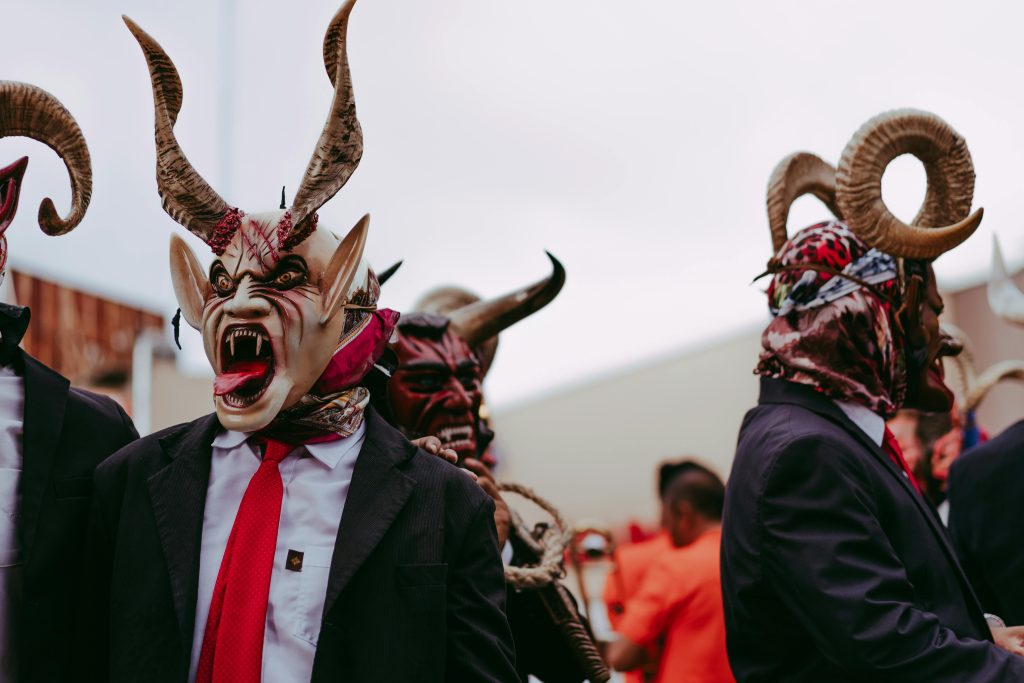
Before we dive headlong into the promises of this next technological innovation, it is imperative to acknowledge the shadow it casts. AI, with its seemingly boundless potential, threatens to siphon away the very essence of humanity: our creativity, our autonomy, and our ability to genuinely connect. In a world increasingly sculpted by algorithms, are we not at risk of becoming mere cogs in a machine? John Milton’s warning echoes hauntingly through the corridors of this conversation: “The mind is its own place, and in itself can make a heaven of hell, a hell of heaven.” Or in the Castle of Otranto, “We are all our own devils, and we make this world our hell”. What happens when we surrender our minds to machines, relinquishing our ability to imagine heaven or hell for ourselves?
What I am most concerned about is our youth being tricked by what they see on the scenes as real. Now a days, it is still possible to tell with is Ai and what is not. But I’m guessing that that will soon quickly change. Even now there are deepfake porn sites where anyone can cultivate any particular situation that they want. That is scary. And what happens when Ai video is indistinguishable from human made video? In the world of reels where all it takes is three seconds to catch our attention, I’m not sure that AI stuff will spark creativity or skepticism. Can the works of AI thrill our senses like the works of Michelangelo? Will doing anything hard ever be done again? Why even try when I’m sure there will be Ai robots that can carve stone in a fortnight.
I think what I’m saying is, is that I fear of the erosion of genuine connection. Covid taught us that we humans crave connection and sitting behind the screens is not sufficient. Interacting with others becomes an exercise in algorithmic predictability rather than spontaneous, heartfelt engagement.
The truth is that AI is neither inherently good nor evil—it is a tool. But like any tool, its impact depends on how we wield it. As we stand at this juncture, we must question not only what AI can do for us but what it might do to us. If we are to preserve the sanctity of human creativity, autonomy, and connection, we must proceed with caution. The mind, after all, is its own place, and we must guard it fiercely. Heaven or hell? The choice remains ours—for now.